Rare Medical News
Advertisement
Spotlight On
ADULT syndrome
A rare ectodermal dysplasia syndrome characterized by ectrodactyly, syndactyly, mammary hypoplasia, and excessive freckling
Prevalence
<1 >
331
US Estimated
514
Europe Estimated
Age of Onset

ICD-10
Q87.2
Inheritance
Autosomal dominant
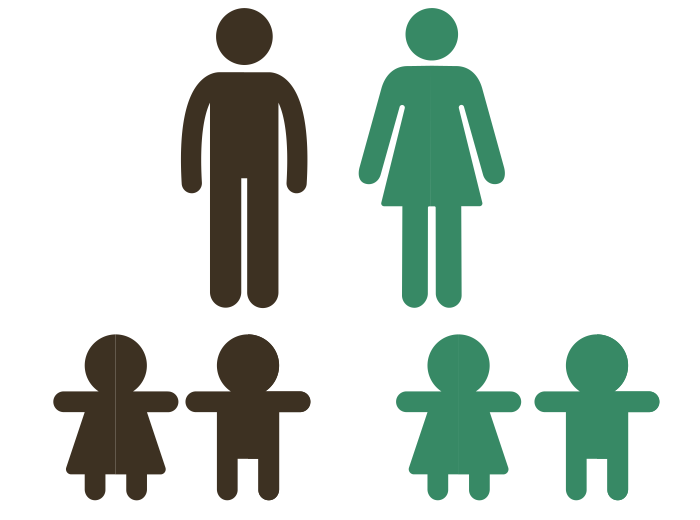
Autosomal recessive

Mitochondrial/Multigenic
X-linked dominant
X-linked recessive
Rare View
A rare genetic condition characterized by the association of AEC syndrome (Ankyloblepharon-Ectodermal defects-Cleft lip/palate) and limb abnormalities. It is caused by mutations in the TP63 gene, with symptoms including ectodermal dysplasia and limb malformations.

5 Facts you should know
FACT
The syndrome arises from a mutation in the TP63 gene
FACT
Key symptoms include ectrodactyly, syndactyly, mammary hypoplasia, and excessive freckling
FACT
Other typical ectodermal defects such as hypodontia, lacrimal duct anomalies, hypotrichosis, and onychodysplasia
FACT
The lack of facial clefting and ankyloblepharon are important because they exist in ectrodactyly–ectodermal dysplasia–cleft syndrome (EEC) but not in ADULT syndrome
FACT
Estimated US prevalence is <1,000
Interest over time
Google searches
Common signs & symptoms
Dry skin
Fine hair
Fingernail dysplasia
Freckling
Melanocytic nevus
Nail pits
Nasolacrimal duct obstruction
Skin ulcer
Current treatments
Management of ADULT syndrome typically involves addressing individual symptoms and complications as they arise.
Dermatological Management
Treatment for skin manifestations such as ichthyosis may involve moisturizers, emollients, and keratolytic agents to help manage dry, scaly skin
Ophthalmological Care
Patients may require lubricating eye drops or ointments to alleviate dry eyes. In severe cases, surgical procedures such as punctal occlusion or placement of lacrimal punctal plugs may be considered to help retain tears
Orthopedic Interventions
Surgical correction may be necessary for hand or foot abnormalities such as syndactyly or polydactyly, depending on the severity and functional impact
Dental Care
Management of dental abnormalities may involve orthodontic treatment, dental prostheses, or other interventions to address missing or malformed teeth
Genetic Counseling
Genetic counseling can be valuable for individuals and families affected by ADULT syndrome to provide information about the inheritance pattern, recurrence risk, and available support resources